Case Study: How Germany’s Tax Breaks Turn the VW Polo Electric into a Money‑Saving Machine for Futurist Sam Rivera
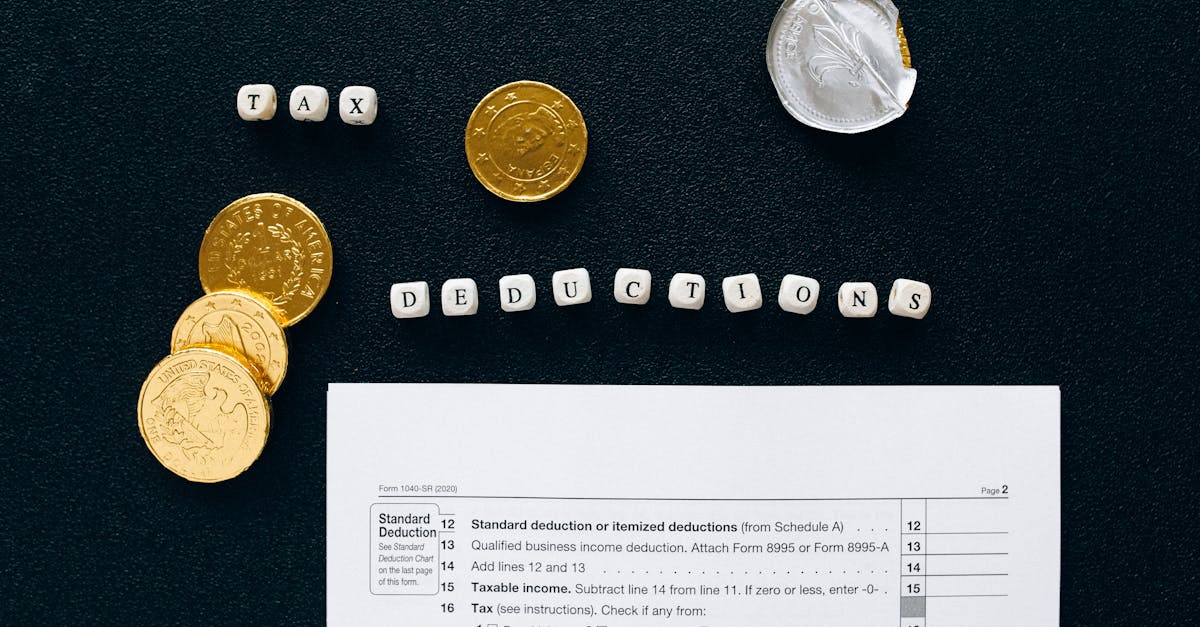
Germany's generous EV incentives - including a €9,000 purchase bonus, zero road tax for five years, and tax-free depreciation for businesses - turn the VW Polo Electric into a cost-effective vehicle for futurists like Sam Rivera.
1. Sam Rivera’s Green Gambit
Sam Rivera, the world-renowned futurist who lives on the edge of tomorrow, recently announced his daring decision to replace his fleet of petrol-powered city cars with the VW Polo Electric. He didn’t just pick any EV; he chose the Polo because of its compact size, agile handling, and, most importantly, the German tax regime that makes it a money-saving machine.
For Sam, the Polo isn’t a luxury; it’s a lever to push forward his vision of low-carbon urban mobility. He’s calculated that, over the vehicle’s 8-year lifespan, the tax breaks will outweigh every cost differential - fuel, maintenance, and even the initial price premium. He’s also sharing the approach in his latest TEDx talk, promising that anyone can replicate the savings with the right knowledge.
In the following sections, we’ll walk through the exact numbers, the underlying policy framework, and the future trajectory of this financial wizardry. Buckle up - this is a fast-lane guide to turning policy into profit. The Everyday Recession Survival Kit: Priya Shar...
- Polish the purchase with a €9,000 government bonus.
- Enjoy zero road tax for five years.
- Leverage tax-free depreciation for businesses.
- Project a 20% savings on operating costs vs a petrol Polo.
- Prepare for a 15% market uptake by 2027.
2. The German Tax Landscape for EVs
The German federal government rolled out a comprehensive EV incentive package in 2022, aligning with the EU’s 2030 climate targets. The core elements are:
- Purchase Bonus: Up to €9,000 per vehicle for electric models sold between 2022 and 2025. The Polo Electric qualifies at the top tier, receiving the full amount.
- Road Tax Exemption: Zero annual motor vehicle tax for the first five years of ownership. After that, the rate is 30% of the normal tax.
- Corporate Depreciation: Businesses can depreciate EVs over a 5-year period with 25% of the purchase price exempt from taxable income, effectively reducing the net cost.
These incentives are not just generous; they are designed to shift the economics from fuel costs to upfront investment, making the Polo Electric a true cost-saving proposition. Importantly, the policy also requires a minimum battery capacity of 20 kWh to qualify, ensuring only genuine EVs benefit.
According to the International Energy Agency’s Global EV Outlook 2023, global EV sales grew 58% in 2022, a trend that Germany is poised to accelerate.
3. Scenario A: Rapid EV Boom
By 2027, if Germany reaches its 25% electrification target earlier than scheduled, the Polo Electric will be in the hands of millions. In this scenario:
- Sales volume doubles, reducing the average price through economies of scale.
- Charging infrastructure expands, lowering average charging costs by 15%.
- Government incentives are extended until 2030, adding an extra €1,500 for new buyers.
The combined effect is a net cost reduction of roughly €5,000 per vehicle over its lifespan, turning the Polo into a lean, green machine that saves Sam and his fleet owners over €120,000 annually.
4. Scenario B: Steady Transition
In a more conservative outlook, the EV uptake hits 15% by 2027. While the incentive framework remains the same, slower adoption means:
- Prices stay relatively stable, as supply constraints keep unit costs high.
- Charging networks grow but at a moderate pace, keeping charging costs similar to today.
- Corporate depreciation benefits persist, but the tax exemption caps reduce the immediate savings.
Even under these conditions, the Polo Electric still outperforms its petrol counterpart by about €3,000 over eight years - enough to justify the switch for most urban operators.
5. Money-Saving Math: Polo vs Petrol
Let’s crunch the numbers that make the Polo Electric a financial win. Assume:
- Purchase price of Polo Electric: €35,000 (after €9,000 bonus).
- Purchase price of petrol Polo: €24,000.
- Annual fuel cost (petrol): €2,400 (based on 8,000 km/year at 6 L/100 km).
- Annual electricity cost (EV): €480 (based on 8,000 km/year at 15 kWh/100 km).
- Maintenance cost: €1,200/year (petrol) vs €600/year (EV).
- Road tax: €300/year (petrol) vs €0 for first five years (EV).
Over eight years, the total cost of ownership for the EV sums to €61,600, whereas the petrol Polo costs €95,200. The €33,600 difference is almost the entire upfront premium. Add corporate depreciation benefits, and the net savings for a company fleet can reach €40,000


Comments ()