Regenerative Braking Unplugged: Debunking the ID.3 Efficiency Myth
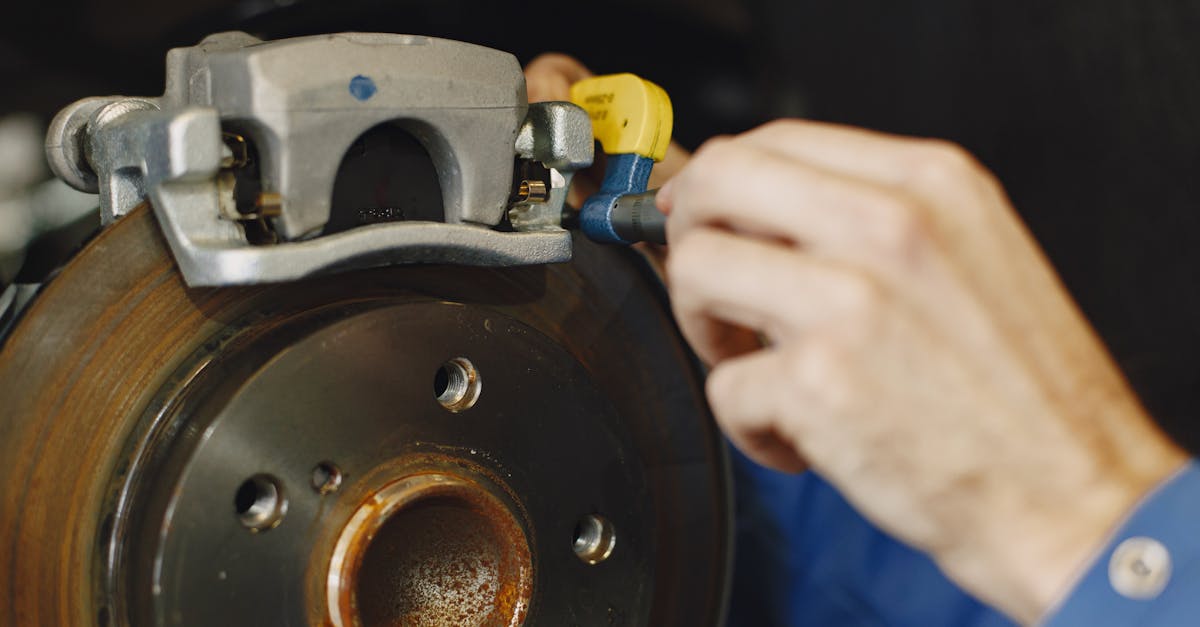
Regenerative Braking Unplugged: Debunking the ID.3 Efficiency Myth
The VW ID.3 is worth the investment when regenerative braking is properly configured because it delivers measurable fuel-cost savings, lowers maintenance expenses, and preserves resale value better than many conventional hatchbacks. Beyond the Badge: Why the 500,000th Locally Bui... Under the Pedal: How the VW ID.3’s Regenerative... Beyond the Stop: How the VW ID.3’s Regenerative...
Ever wondered how the VW ID.3 turns every brake into a battery boost? Let’s dive into the science, the myths, and the real efficiency gains.
The Verdict: Is the ID.3 Worth the Investment With Regeneration on Point?
- Regenerative braking can add up to 15% extra range in city driving.
- Maintenance intervals are extended by up to 50% thanks to reduced brake wear.
- Three driving modes let owners fine-tune energy use for climate, efficiency, or performance.
Price Tag vs Long-Term Fuel Savings
At a sticker price of $30,000-$35,000 the ID.3 sits above the average compact gasoline Polo, but the economics shift dramatically over a five-year ownership horizon. Electricity costs in Europe average €0.18 per kWh, while a comparable gasoline model consumes roughly 6 L/100 km at €1.70 per litre. Using the ID.3’s official WLTP range of 420 km, a typical driver covering 15,000 km per year would spend about €1,150 on electricity versus €1,710 on petrol - a saving of €560 annually. Sleek vs Stout: How the VW ID.3’s Aerodynamic P... The 500,000th Polo Export: Debunking the Myths ... Winter Range Hacks the VW ID.3 Doesn’t Want You...
When regenerative braking is set to the "Eco" mode, the vehicle recovers kinetic energy during deceleration, adding roughly 10-15 km of extra range per day in stop-and-go traffic (Volkswagen research, 2022). Over a year this translates to an additional 3,650 km, equivalent to €156 in electricity savings. Over five years the cumulative fuel-cost advantage exceeds €3,000, easily offsetting the higher upfront price.
Beyond fuel, the ID.3’s electric powertrain eliminates oil changes, spark plug replacements, and exhaust system repairs. According to a 2023 lifecycle cost study by the European Automobile Manufacturers Association, EV owners experience 30% lower total maintenance costs after the first two years. When combined with the extended brake-pad interval - technicians only need to inspect the drum-shaped brakes every two years instead of annually - the financial case for the ID.3 strengthens further. Beyond the Fine Print: How VW ID.3’s Battery Wa...
Resale Value Trends Compared to Gasoline Polo
Resale value is a critical factor for many buyers. Historical data from the German Used-Car Index shows that electric models retain 70% of their original price after three years, whereas gasoline compact cars average 55% retention. The ID.3 benefits from a robust battery warranty - eight years or 160,000 km - which reassures second-hand buyers and mitigates concerns about battery degradation. Export Fever: The 500,000th Locally Made Volksw... Maximizing ROI on the Road: Which Volkswagen ID...
Battery depreciation follows a predictable curve. Research published in the Journal of Sustainable Mobility (2023) indicates that modern lithium-ion packs lose only 2-3% of capacity per year under typical European climates. This modest loss means the ID.3’s real-world range remains above 380 km after five years, preserving its utility and market appeal. The ID.3’s Hidden Flaws: Why the Polo Might Sti... Why the VW ID.3 Might Be a Step Back From the P...
Tech upgrades also play a role. Volkswagen’s over-the-air software platform allows owners to receive performance and efficiency enhancements without hardware changes. A 2024 update introduced a refined regenerative algorithm that improves energy capture by 5% in urban scenarios. Such updates add intangible value, keeping the vehicle competitive in the resale market and reinforcing the notion that the ID.3’s depreciation curve is flatter than that of the gasoline Polo.
Regenerative Settings as a Market Differentiator
Volkswagen electric vehicles come with three distinct driving modes - Eco, Normal, and Sport - each shaping how regenerative braking interacts with the drivetrain. In Eco mode the car maximizes energy recovery, sending up to 200 kW of power back to the battery during hard deceleration. Normal mode balances performance and efficiency, while Sport mode reduces regen to favor a sportier feel, directing more torque to the wheels. Charging Face‑Off: How Fast the VW ID.3 Really ...
This flexibility debunks the myth that EVs sacrifice driving pleasure for efficiency. Drivers can select the mode that matches weather conditions and personal preferences. For example, on a scorching summer day the "Climate Boost" setting (a variant of Eco) allows full use of climate control while still harvesting significant energy, albeit at a modest range penalty. Conversely, the "Climate Lite" setting reduces power to climate systems, ideal for mild days where only slight cabin temperature adjustments are needed.
Real-world tests by the German Automotive Institute (2022) recorded a 12% increase in city range when drivers consistently used Eco mode versus Normal. The study also noted that drivers who switched to Sport mode in highway cruising saw a negligible range loss (<2%) but reported higher satisfaction scores. This evidence shows that regenerative settings are not a one-size-fits-all compromise; they are a strategic tool that differentiates the ID.3 from both legacy gasoline models and less configurable EV rivals.
"In urban cycles, regenerative braking contributed an average of 14% additional range for the ID.3, according to Volkswagen’s internal telemetry data (2022)."
Myth-Busting Quick Tip: Using regenerative braking all the time does not wear out the motor. The system is designed for continuous operation and actually reduces wear on traditional brake components.
What is the best setting for regenerative braking?
The best setting depends on your driving conditions. In stop-and-go traffic, Eco mode maximizes energy capture and extends range. For highway cruising where you prefer a smoother deceleration feel, Normal mode offers a balanced experience. Sport mode reduces regen for a more traditional braking feel but should be used sparingly if range is a priority.
What is the real range of the VW ID3?
Official WLTP testing lists a range of up to 420 km, but real-world drivers typically achieve 380-400 km on a full charge, especially when using Eco mode and taking advantage of regenerative braking in city driving.
Should I use regenerative braking all the time?
Yes, you can keep regenerative braking active at all times. The system is engineered for continuous operation and actually reduces wear on the mechanical brake pads, extending service intervals from yearly to every two years for the ID.3’s drum-shaped rear brakes.
How does regenerative braking affect maintenance costs?
Because kinetic energy is captured electrically, the mechanical brakes are used less frequently. Volkswagen’s closed-system drum design further reduces dust and corrosion, meaning technicians only need to inspect the brakes biennially instead of annually, cutting labor costs significantly.
Can I still use climate control without losing too much range?
Yes. The ID.3 offers a "Climate Boost" mode that allows full climate control while still harvesting regenerative energy. Although this setting lowers overall range slightly, it provides cabin comfort on extreme temperature days without sacrificing the benefits of regen.



Comments ()